An earthing study, also known as a grounding study, is a vital analysis conducted to evaluate the effectiveness of the grounding system within an electrical power system. It ensures that grounding electrodes, conductors, and connections safely dissipate fault currents while minimizing the risk of electric shock hazards. The primary objective is to verify compliance with relevant standards such as IEEE Standard 80 and IEC 60364.
EARTHING STUDY
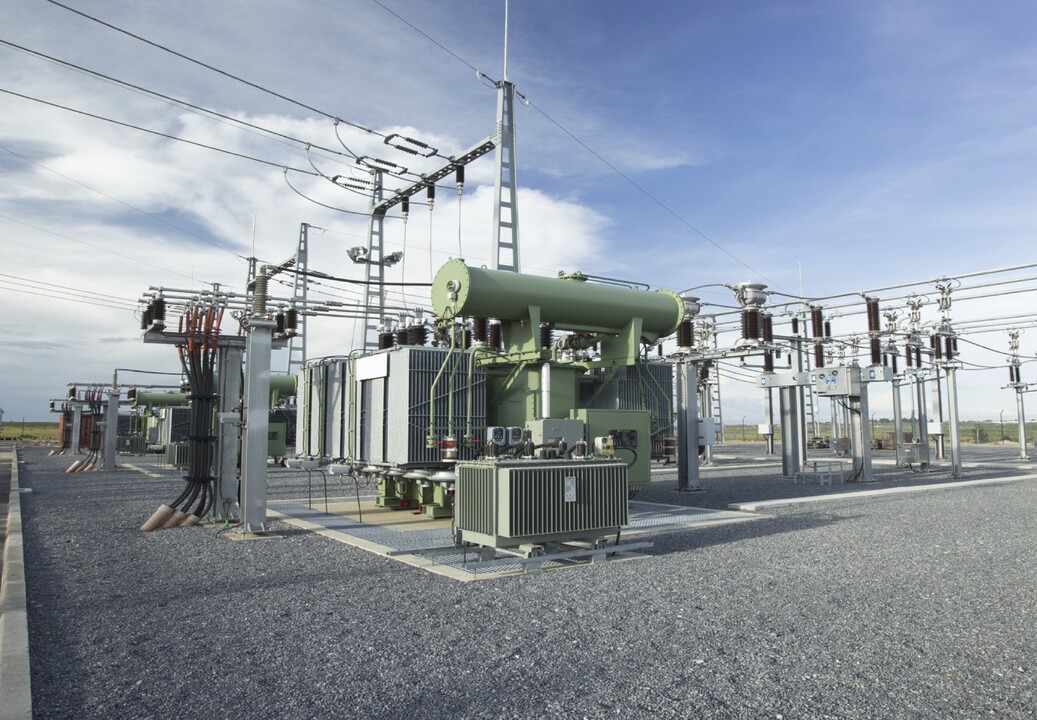
Key Components of an Earthing Study:
Data Collection: Gathering system details including soil resistivity data, grounding electrode specifications, and system configuration.
Grounding System Analysis: Assessing the impedance of the grounding network to ensure a reliable low-resistance path for fault currents.
Step and Touch Voltage Analysis : Evaluating voltages under fault conditions to ensure they remain within safe limits, protecting people from electric shock hazards.
Fault Current Distribution: Analyzing how fault currents flow through the grounding system to identify high-density areas and optimize grounding design.
Recommendations: Suggesting improvements such as additional electrodes, ground enhancement materials, or improved bonding connections.
Benefits of an Earthing Study:
Personnel Safety:Reduces the risk of electric shock by maintaining step and touch voltages within safe thresholds.
Equipment Protection: Safeguards electrical assets from damage due to fault currents and transient overvoltages.
Compliance: Ensures adherence to IEEE Standard 80, IEC 60364, and other safety regulations.
Why Choose Honeybee Engineering and Innovation? for Your Earthing Study?
Expertise: Our engineers are specialists in conducting detailed earthing studies tailored to diverse industrial and utility applications.
Advanced Tools: We employ advanced software and modern measurement techniques for accurate analysis of grounding system performance.
Customized Solutions:Every recommendation is designed to optimize your grounding system for both safety and reliability.
Commitment to Safety:At Honeybee, we prioritize personnel protection and long-term system reliability.
Partner with Honeybee Engineering and Innovation for your earthing study needs and ensure a safe, reliable, and compliant electrical power system. Contact us today to discuss how we can support your project.